•  

China: Drone Rescues Stranded Fisherman From Rising River in Zhejiang

On October 13, in Lishui, Zhejiang, a video captured a man fishing when the river’s water level suddenly surged, leaving him stranded in the middle of the current. Chen, a local drone operator, quickly responded by deploying a crop-spraying drone with a maximum takeoff weight of 150 kilograms. The footage showed the drone hovering above the river and lowering a rope for the man to grab before airlifting him to the riverbank in just two minutes.This is the tense moment that a drone pilot in China used an agricultural drone to save a fisherman trapped by a sudden flash flood.

  •  
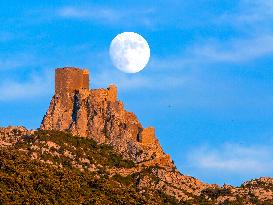
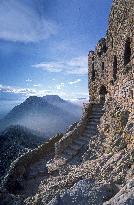
Illustration - Cathar Castles

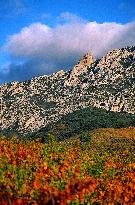
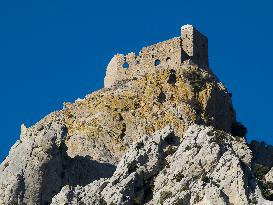
Illustration - Cathar Castles

FRANCE. AUDE (11) CUCUGNAN.THE CASTLE OF QUERIBUS. RISING TO OVER 700 METRES ABOVE SEA LEVEL ON THE SOUTHERN CREST OF THE CORBIERES, THE CASTLE OF QUERIBUS IS THE BEST-PRESERVED OF THE CATHAR FORTRESSES. Photo by Paul Palau/Only France/ABACAPRESS.COM

  •  
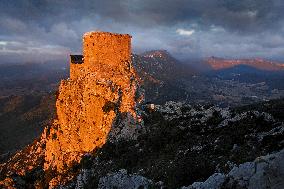
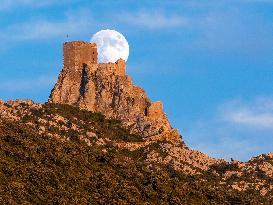
Illustration - Cathar Castles

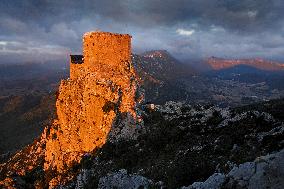
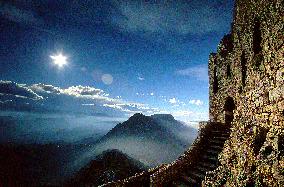
Illustration - Cathar Castles

FRANCE. AUDE (11) CUCUGNAN.THE CASTLE OF QUERIBUS. RISING TO OVER 700 METRES ABOVE SEA LEVEL ON THE SOUTHERN CREST OF THE CORBIERES, THE CASTLE OF QUERIBUS IS THE BEST-PRESERVED OF THE CATHAR FORTRESSES. Photo by Paul Palau/Only France/ABACAPRESS.COM

  •  
Illustration - Cathar Castles

Illustration - Cathar Castles

FRANCE. AUDE (11) CUCUGNAN.THE CASTLE OF QUERIBUS. RISING TO OVER 700 METRES ABOVE SEA LEVEL ON THE SOUTHERN CREST OF THE CORBIERES, THE CASTLE OF QUERIBUS IS THE BEST-PRESERVED OF THE CATHAR FORTRESSES. Photo by Paul Palau/Only France/ABACAPRESS.COM

  •  
Illustration - Cathar Castles

Illustration - Cathar Castles

FRANCE. AUDE (11) CUCUGNAN.THE CASTLE OF QUERIBUS. RISING TO OVER 700 METRES ABOVE SEA LEVEL ON THE SOUTHERN CREST OF THE CORBIERES, THE CASTLE OF QUERIBUS IS THE BEST-PRESERVED OF THE CATHAR FORTRESSES. Photo by Paul Palau/Only France/ABACAPRESS.COM

  •  
Illustration - Cathar Castles

Illustration - Cathar Castles

FRANCE. AUDE (11) CUCUGNAN.THE CASTLE OF QUERIBUS. RISING TO OVER 700 METRES ABOVE SEA LEVEL ON THE SOUTHERN CREST OF THE CORBIERES, THE CASTLE OF QUERIBUS IS THE BEST-PRESERVED OF THE CATHAR FORTRESSES. Photo by Paul Palau/Only France/ABACAPRESS.COM

  •  
Illustration - Cathar Castles

Illustration - Cathar Castles

FRANCE. AUDE (11) CUCUGNAN.THE CASTLE OF QUERIBUS. RISING TO OVER 700 METRES ABOVE SEA LEVEL ON THE SOUTHERN CREST OF THE CORBIERES, THE CASTLE OF QUERIBUS IS THE BEST-PRESERVED OF THE CATHAR FORTRESSES. Photo by Paul Palau/Only France/ABACAPRESS.COM

  •  
Illustration - Cathar Castles

Illustration - Cathar Castles

FRANCE. AUDE (11) CUCUGNAN.THE CASTLE OF QUERIBUS. RISING TO OVER 700 METRES ABOVE SEA LEVEL ON THE SOUTHERN CREST OF THE CORBIERES, THE CASTLE OF QUERIBUS IS THE BEST-PRESERVED OF THE CATHAR FORTRESSES. Photo by Paul Palau/Only France/ABACAPRESS.COM

  •  
Illustration - Cathar Castles

Illustration - Cathar Castles

FRANCE. AUDE (11) CUCUGNAN.THE CASTLE OF QUERIBUS. RISING TO OVER 700 METRES ABOVE SEA LEVEL ON THE SOUTHERN CREST OF THE CORBIERES, THE CASTLE OF QUERIBUS IS THE BEST-PRESERVED OF THE CATHAR FORTRESSES. Photo by Paul Palau/Only France/ABACAPRESS.COM

  •  
Flood Forces Cremations to Higher Ground

Flood Forces Cremations to Higher Ground

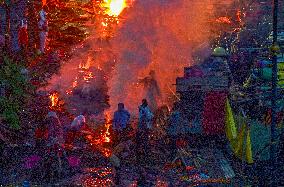
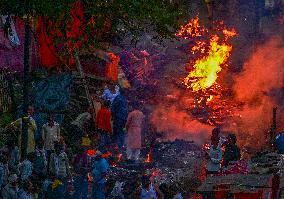
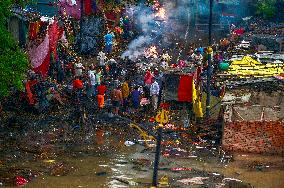
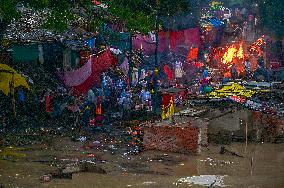
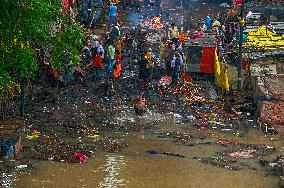
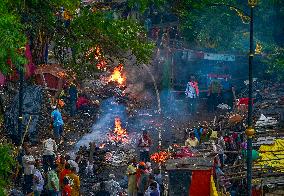
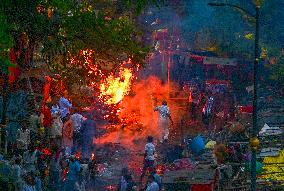
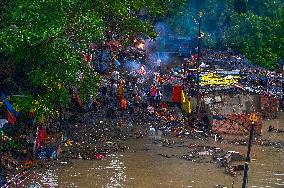
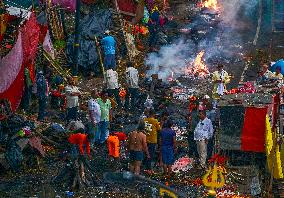
People carry out last rites along a path and row of houses situated further uphill from the actual cremation spot due to flooding caused by the rising water level of the Ganges River in Daraganj Ghat in Prayagraj, India, on August 3, 2025. Monsoon rains have led to surging river levels, forcing local residents to adapt critical religious and cultural rituals to higher ground. The Ganges, considered sacred by millions of Hindus, is a traditional site for cremations, especially at ghats like Daraganj. As flooding submerges the usual cremation areas, mourners continue to perform final rites in improvised locations, preserving centuries-old customs despite the natural disruption. The scene reflects the intersection of climate impacts with spiritual traditions in flood-prone regions of India. Photo by Middle East Images/ABACAPRESS.COM

  •  
Flood Forces Cremations to Higher Ground

Flood Forces Cremations to Higher Ground

People carry out last rites along a path and row of houses situated further uphill from the actual cremation spot due to flooding caused by the rising water level of the Ganges River in Daraganj Ghat in Prayagraj, India, on August 3, 2025. Monsoon rains have led to surging river levels, forcing local residents to adapt critical religious and cultural rituals to higher ground. The Ganges, considered sacred by millions of Hindus, is a traditional site for cremations, especially at ghats like Daraganj. As flooding submerges the usual cremation areas, mourners continue to perform final rites in improvised locations, preserving centuries-old customs despite the natural disruption. The scene reflects the intersection of climate impacts with spiritual traditions in flood-prone regions of India. Photo by Middle East Images/ABACAPRESS.COM

  •  
Flood Forces Cremations to Higher Ground

Flood Forces Cremations to Higher Ground

People carry out last rites along a path and row of houses situated further uphill from the actual cremation spot due to flooding caused by the rising water level of the Ganges River in Daraganj Ghat in Prayagraj, India, on August 3, 2025. Monsoon rains have led to surging river levels, forcing local residents to adapt critical religious and cultural rituals to higher ground. The Ganges, considered sacred by millions of Hindus, is a traditional site for cremations, especially at ghats like Daraganj. As flooding submerges the usual cremation areas, mourners continue to perform final rites in improvised locations, preserving centuries-old customs despite the natural disruption. The scene reflects the intersection of climate impacts with spiritual traditions in flood-prone regions of India. Photo by Middle East Images/ABACAPRESS.COM

  •  
Flood Forces Cremations to Higher Ground

Flood Forces Cremations to Higher Ground

People carry out last rites along a path and row of houses situated further uphill from the actual cremation spot due to flooding caused by the rising water level of the Ganges River in Daraganj Ghat in Prayagraj, India, on August 3, 2025. Monsoon rains have led to surging river levels, forcing local residents to adapt critical religious and cultural rituals to higher ground. The Ganges, considered sacred by millions of Hindus, is a traditional site for cremations, especially at ghats like Daraganj. As flooding submerges the usual cremation areas, mourners continue to perform final rites in improvised locations, preserving centuries-old customs despite the natural disruption. The scene reflects the intersection of climate impacts with spiritual traditions in flood-prone regions of India. Photo by Middle East Images/ABACAPRESS.COM

  •  
Flood Forces Cremations to Higher Ground

Flood Forces Cremations to Higher Ground

People carry out last rites along a path and row of houses situated further uphill from the actual cremation spot due to flooding caused by the rising water level of the Ganges River in Daraganj Ghat in Prayagraj, India, on August 3, 2025. Monsoon rains have led to surging river levels, forcing local residents to adapt critical religious and cultural rituals to higher ground. The Ganges, considered sacred by millions of Hindus, is a traditional site for cremations, especially at ghats like Daraganj. As flooding submerges the usual cremation areas, mourners continue to perform final rites in improvised locations, preserving centuries-old customs despite the natural disruption. The scene reflects the intersection of climate impacts with spiritual traditions in flood-prone regions of India. Photo by Middle East Images/ABACAPRESS.COM

  •  
Flood Forces Cremations to Higher Ground

Flood Forces Cremations to Higher Ground

People carry out last rites along a path and row of houses situated further uphill from the actual cremation spot due to flooding caused by the rising water level of the Ganges River in Daraganj Ghat in Prayagraj, India, on August 3, 2025. Monsoon rains have led to surging river levels, forcing local residents to adapt critical religious and cultural rituals to higher ground. The Ganges, considered sacred by millions of Hindus, is a traditional site for cremations, especially at ghats like Daraganj. As flooding submerges the usual cremation areas, mourners continue to perform final rites in improvised locations, preserving centuries-old customs despite the natural disruption. The scene reflects the intersection of climate impacts with spiritual traditions in flood-prone regions of India. Photo by Middle East Images/ABACAPRESS.COM

  •  
Flood Forces Cremations to Higher Ground

Flood Forces Cremations to Higher Ground

People carry out last rites along a path and row of houses situated further uphill from the actual cremation spot due to flooding caused by the rising water level of the Ganges River in Daraganj Ghat in Prayagraj, India, on August 3, 2025. Monsoon rains have led to surging river levels, forcing local residents to adapt critical religious and cultural rituals to higher ground. The Ganges, considered sacred by millions of Hindus, is a traditional site for cremations, especially at ghats like Daraganj. As flooding submerges the usual cremation areas, mourners continue to perform final rites in improvised locations, preserving centuries-old customs despite the natural disruption. The scene reflects the intersection of climate impacts with spiritual traditions in flood-prone regions of India. Photo by Middle East Images/ABACAPRESS.COM

  •  
Flood Forces Cremations to Higher Ground

Flood Forces Cremations to Higher Ground

People carry out last rites along a path and row of houses situated further uphill from the actual cremation spot due to flooding caused by the rising water level of the Ganges River in Daraganj Ghat in Prayagraj, India, on August 3, 2025. Monsoon rains have led to surging river levels, forcing local residents to adapt critical religious and cultural rituals to higher ground. The Ganges, considered sacred by millions of Hindus, is a traditional site for cremations, especially at ghats like Daraganj. As flooding submerges the usual cremation areas, mourners continue to perform final rites in improvised locations, preserving centuries-old customs despite the natural disruption. The scene reflects the intersection of climate impacts with spiritual traditions in flood-prone regions of India. Photo by Middle East Images/ABACAPRESS.COM

  •  
Flood Forces Cremations to Higher Ground

Flood Forces Cremations to Higher Ground

People carry out last rites along a path and row of houses situated further uphill from the actual cremation spot due to flooding caused by the rising water level of the Ganges River in Daraganj Ghat in Prayagraj, India, on August 3, 2025. Monsoon rains have led to surging river levels, forcing local residents to adapt critical religious and cultural rituals to higher ground. The Ganges, considered sacred by millions of Hindus, is a traditional site for cremations, especially at ghats like Daraganj. As flooding submerges the usual cremation areas, mourners continue to perform final rites in improvised locations, preserving centuries-old customs despite the natural disruption. The scene reflects the intersection of climate impacts with spiritual traditions in flood-prone regions of India. Photo by Middle East Images/ABACAPRESS.COM

  •  
Typhoon Co-may Hit Shanghai

Typhoon Co-may Hit Shanghai

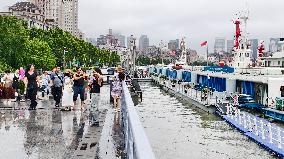
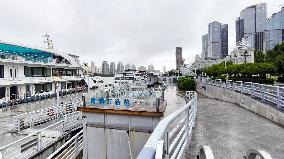
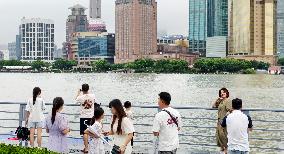
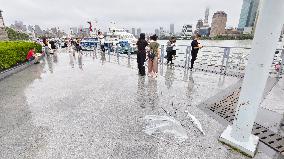
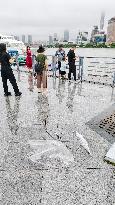
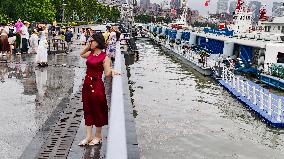
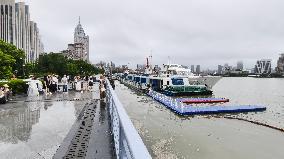
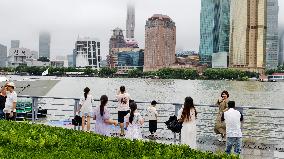
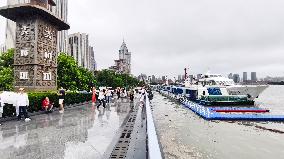
Citizens and tourists watch the rising water level of the river caused by typhoon Co-may outside the warning area of Shiliupu Pier in Shanghai, China on July 30, 2025.

  •  
Typhoon Co-may Hit Shanghai

Typhoon Co-may Hit Shanghai

Citizens and tourists watch the rising water level of the river caused by typhoon Co-may outside the warning area of Shiliupu Pier in Shanghai, China on July 30, 2025.

  •  
Typhoon Co-may Hit Shanghai

Typhoon Co-may Hit Shanghai

Citizens and tourists watch the rising water level of the river caused by typhoon Co-may outside the warning area of Shiliupu Pier in Shanghai, China on July 30, 2025.

  •  
Typhoon Co-may Hit Shanghai

Typhoon Co-may Hit Shanghai

Citizens and tourists watch the rising water level of the river caused by typhoon Co-may outside the warning area of Shiliupu Pier in Shanghai, China on July 30, 2025.

  •  
Typhoon Co-may Hit Shanghai

Typhoon Co-may Hit Shanghai

Citizens and tourists watch the rising water level of the river caused by typhoon Co-may outside the warning area of Shiliupu Pier in Shanghai, China on July 30, 2025.

  •  
Typhoon Co-may Hit Shanghai

Typhoon Co-may Hit Shanghai

Citizens and tourists watch the rising water level of the river caused by typhoon Co-may outside the warning area of Shiliupu Pier in Shanghai, China on July 30, 2025.

  •  
Typhoon Co-may Hit Shanghai

Typhoon Co-may Hit Shanghai

Citizens and tourists watch the rising water level of the river caused by typhoon Co-may outside the warning area of Shiliupu Pier in Shanghai, China on July 30, 2025.

  •  
Typhoon Co-may Hit Shanghai

Typhoon Co-may Hit Shanghai

Citizens and tourists watch the rising water level of the river caused by typhoon Co-may outside the warning area of Shiliupu Pier in Shanghai, China on July 30, 2025.

  •  
Typhoon Co-may Hit Shanghai

Typhoon Co-may Hit Shanghai

Citizens and tourists watch the rising water level of the river caused by typhoon Co-may outside the warning area of Shiliupu Pier in Shanghai, China on July 30, 2025.

  •  

Japan: Shinmoedake Volcano Erupts in Kagoshima, Spews Ash 500 Meters High

On Sunday, June 22, Mount Shinmoedake in Kirishima City, Kagoshima Prefecture, erupted, sending a plume of smoke rising more than 500 meters above the crater, according to the Kagoshima Local Meteorological Observatory. This was the volcano’s first eruption since 2018. The observatory has maintained the eruption alert level at 2 and is urging people to exercise caution within approximately a 2-kilometer radius of the crater, due to the risk of large volcanic rocks and other hazards related to the eruption. The video was captured from Kobayashi City, Miyazaki Prefecture, which borders Kirishima.

  •  

China: Car Seen Floating Through Flooded Streets During Heavy Rain in Dalian

This is the dramatic moment a small car was seen moving through floodwaters during a short but intense rainstorm, appearing almost like a makeshift boat. On June 9, 2025, in Dalian, Liaoning Province, video footage captured torrential rain battering the streets and causing significant flooding. The car was seen navigating or drifting through a strong current, bobbing in the rising water as shocked onlookers looked on. The water level had risen so high that the tires were no longer visible, making it unclear whether the vehicle was being carried by the water or attempting to drive through it. The video ends with the car continuing to move downstream, gradually disappearing from view as the heavy rain continues to fall.

  •  

Australia: Record Flooding Batters Northern NSW After Heavy Rainfall 7

Flooding has battered cities and towns across the Mid-North Coast and the Hunter Region in northern New South Wales, leaving many residents stranded or forced to evacuate after days of heavy rainfall. In the city of Taree, the Manning River surpassed its 1929 record of six meters and was still rising as of Wednesday morning, May 21. Authorities have issued 13 emergency-level alerts. This video shows a man trying to save his mowers from the flooding.

  •  

Australia: Record Flooding Batters Northern NSW After Heavy Rainfall 6

Flooding has battered cities and towns across the Mid-North Coast and the Hunter Region in northern New South Wales, leaving many residents stranded or forced to evacuate after days of heavy rainfall. In the city of Taree, the Manning River surpassed its 1929 record of six meters and was still rising as of Wednesday morning, May 21. Authorities have issued 13 emergency-level alerts. This video captures a family trapped at their house amidst severe flooding.

  •  

Australia: Record Flooding Batters Northern NSW After Heavy Rainfall 4

Flooding has battered cities and towns across the Mid-North Coast and the Hunter Region in northern New South Wales, leaving many residents stranded or forced to evacuate after days of heavy rainfall. In the city of Taree, the Manning River surpassed its 1929 record of six meters and was still rising as of Wednesday morning, May 21. Authorities have issued 13 emergency-level alerts.

  •  

Australia: Record Flooding Batters Northern NSW After Heavy Rainfall 5

Flooding has battered cities and towns across the Mid-North Coast and the Hunter Region in northern New South Wales, leaving many residents stranded or forced to evacuate after days of heavy rainfall. In the city of Taree, the Manning River surpassed its 1929 record of six meters and was still rising as of Wednesday morning, May 21. Authorities have issued 13 emergency-level alerts. This video shows a rescue team with a dinghy making their way through a flooded street.

  •  

Australia: Record Flooding Batters Northern NSW After Heavy Rainfall

Flooding has battered cities and towns across the Mid-North Coast and the Hunter Region in northern New South Wales, leaving many residents stranded or forced to evacuate after days of heavy rainfall. In the city of Taree, the Manning River surpassed its 1929 record of six meters and was still rising as of Wednesday morning, May 21. Authorities have issued 13 emergency-level alerts.

  •  

Australia: Record Flooding Batters Northern NSW After Heavy Rainfall 2

Flooding has battered cities and towns across the Mid-North Coast and the Hunter Region in northern New South Wales, leaving many residents stranded or forced to evacuate after days of heavy rainfall. In the city of Taree, the Manning River surpassed its 1929 record of six meters and was still rising as of Wednesday morning, May 21. Authorities have issued 13 emergency-level alerts.

  •  

Australia: Record Flooding Batters Northern NSW After Heavy Rainfall 3

Flooding has battered cities and towns across the Mid-North Coast and the Hunter Region in northern New South Wales, leaving many residents stranded or forced to evacuate after days of heavy rainfall. In the city of Taree, the Manning River surpassed its 1929 record of six meters and was still rising as of Wednesday morning, May 21. Authorities have issued 13 emergency-level alerts.

  •  
Emajõgi River's rising water levels

Emajõgi River's rising water levels

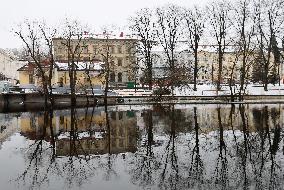
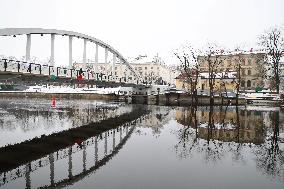
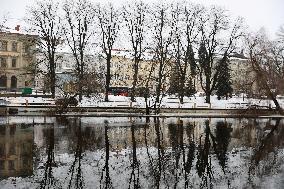
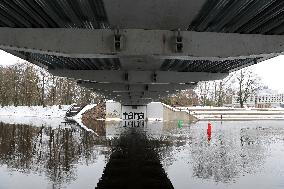
14.01.2025, Tartu. According to the Environment Agency, the Emajõgi River's water levels have been rising an average of one centimeter per hour due to the accumulation of blocks of ice, or ice jams. In other words, the water level has risen by around 70 centimeters in the last week. Photo Sille Annuk, Tartu Postimees

  •  
Emajõgi River's rising water levels

Emajõgi River's rising water levels

14.01.2025, Tartu. According to the Environment Agency, the Emajõgi River's water levels have been rising an average of one centimeter per hour due to the accumulation of blocks of ice, or ice jams. In other words, the water level has risen by around 70 centimeters in the last week. Photo Sille Annuk, Tartu Postimees

  •  
Emajõgi River's rising water levels

Emajõgi River's rising water levels

14.01.2025, Tartu. According to the Environment Agency, the Emajõgi River's water levels have been rising an average of one centimeter per hour due to the accumulation of blocks of ice, or ice jams. In other words, the water level has risen by around 70 centimeters in the last week. Photo Sille Annuk, Tartu Postimees

  •  
Emajõgi River's rising water levels

Emajõgi River's rising water levels

14.01.2025, Tartu. According to the Environment Agency, the Emajõgi River's water levels have been rising an average of one centimeter per hour due to the accumulation of blocks of ice, or ice jams. In other words, the water level has risen by around 70 centimeters in the last week. Photo Sille Annuk, Tartu Postimees

  •  
Preparing for Rising Seas in the Maldives

Preparing for Rising Seas in the Maldives

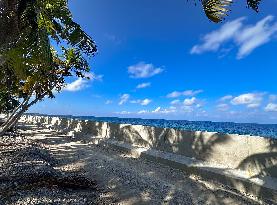
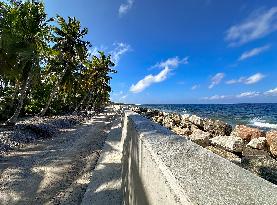
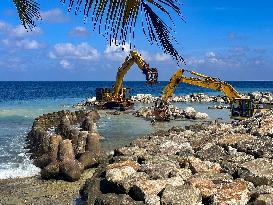
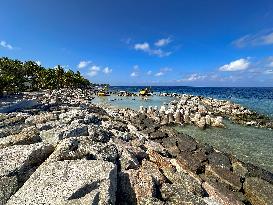
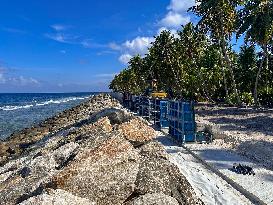
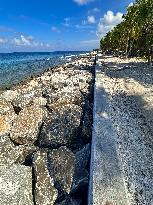
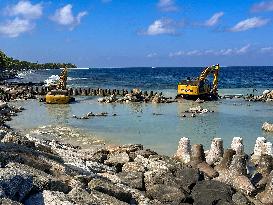
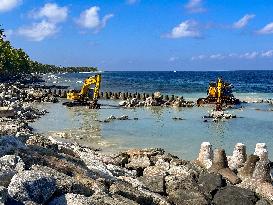
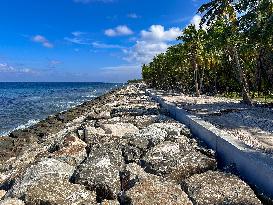
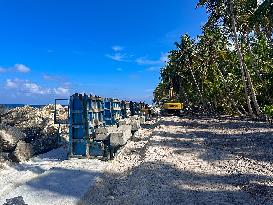
Workers build a protective dike against rising waters in the Island of Fuvahmulah, South Maldives on December 2024. With more than 80 percent of its 1,190 coral islands standing less than 1 meter above sea level, the Maldives has the lowest terrain of any country in the world. This makes the archipelago in the Indian Ocean particularly vulnerable to sea level rise. Photo by Christophe Geyres/ABACAPRESS.COM

  •  
Preparing for Rising Seas in the Maldives

Preparing for Rising Seas in the Maldives

Workers build a protective dike against rising waters in the Island of Fuvahmulah, South Maldives on December 2024. With more than 80 percent of its 1,190 coral islands standing less than 1 meter above sea level, the Maldives has the lowest terrain of any country in the world. This makes the archipelago in the Indian Ocean particularly vulnerable to sea level rise. Photo by Christophe Geyres/ABACAPRESS.COM

  •  
Preparing for Rising Seas in the Maldives

Preparing for Rising Seas in the Maldives

Workers build a protective dike against rising waters in the Island of Fuvahmulah, South Maldives on December 2024. With more than 80 percent of its 1,190 coral islands standing less than 1 meter above sea level, the Maldives has the lowest terrain of any country in the world. This makes the archipelago in the Indian Ocean particularly vulnerable to sea level rise. Photo by Christophe Geyres/ABACAPRESS.COM

  •  
Preparing for Rising Seas in the Maldives

Preparing for Rising Seas in the Maldives

Workers build a protective dike against rising waters in the Island of Fuvahmulah, South Maldives on December 2024. With more than 80 percent of its 1,190 coral islands standing less than 1 meter above sea level, the Maldives has the lowest terrain of any country in the world. This makes the archipelago in the Indian Ocean particularly vulnerable to sea level rise. Photo by Christophe Geyres/ABACAPRESS.COM

  •  
Preparing for Rising Seas in the Maldives

Preparing for Rising Seas in the Maldives

Workers build a protective dike against rising waters in the Island of Fuvahmulah, South Maldives on December 2024. With more than 80 percent of its 1,190 coral islands standing less than 1 meter above sea level, the Maldives has the lowest terrain of any country in the world. This makes the archipelago in the Indian Ocean particularly vulnerable to sea level rise. Photo by Christophe Geyres/ABACAPRESS.COM

  •  
Preparing for Rising Seas in the Maldives

Preparing for Rising Seas in the Maldives

Workers build a protective dike against rising waters in the Island of Fuvahmulah, South Maldives on December 2024. With more than 80 percent of its 1,190 coral islands standing less than 1 meter above sea level, the Maldives has the lowest terrain of any country in the world. This makes the archipelago in the Indian Ocean particularly vulnerable to sea level rise. Photo by Christophe Geyres/ABACAPRESS.COM

  •  
Preparing for Rising Seas in the Maldives

Preparing for Rising Seas in the Maldives

Workers build a protective dike against rising waters in the Island of Fuvahmulah, South Maldives on December 2024. With more than 80 percent of its 1,190 coral islands standing less than 1 meter above sea level, the Maldives has the lowest terrain of any country in the world. This makes the archipelago in the Indian Ocean particularly vulnerable to sea level rise. Photo by Christophe Geyres/ABACAPRESS.COM

  •  
Preparing for Rising Seas in the Maldives

Preparing for Rising Seas in the Maldives

Workers build a protective dike against rising waters in the Island of Fuvahmulah, South Maldives on December 2024. With more than 80 percent of its 1,190 coral islands standing less than 1 meter above sea level, the Maldives has the lowest terrain of any country in the world. This makes the archipelago in the Indian Ocean particularly vulnerable to sea level rise. Photo by Christophe Geyres/ABACAPRESS.COM

  •  
Preparing for Rising Seas in the Maldives

Preparing for Rising Seas in the Maldives

Workers build a protective dike against rising waters in the Island of Fuvahmulah, South Maldives on December 2024. With more than 80 percent of its 1,190 coral islands standing less than 1 meter above sea level, the Maldives has the lowest terrain of any country in the world. This makes the archipelago in the Indian Ocean particularly vulnerable to sea level rise. Photo by Christophe Geyres/ABACAPRESS.COM

  •  
Preparing for Rising Seas in the Maldives

Preparing for Rising Seas in the Maldives

Workers build a protective dike against rising waters in the Island of Fuvahmulah, South Maldives on December 2024. With more than 80 percent of its 1,190 coral islands standing less than 1 meter above sea level, the Maldives has the lowest terrain of any country in the world. This makes the archipelago in the Indian Ocean particularly vulnerable to sea level rise. Photo by Christophe Geyres/ABACAPRESS.COM

  • Main
  • Top
  • Editorial
  • Creative
  • About Us
  • About ILG
  • Terms of use
  • Company
  • BEHIND
  • Price List
  • Single Plan
  • Monthly Plan
  • Services
  • Shooting
  • Rights Clearance
  • Support
  • FAQ
  • How To Buy
  • Contact Us
  • Become a Partner

© KYODO NEWS IMAGES INC

All Rights Reserved.

  • Editorial
  • Olympics
  • News
  • Sports
  • Japan
  • Tech
  • Royal
  • Disaster
  • NorthKorea
  • Old Japan
  • SNS
  • Creative
  • Food
  • Japan
  • Landscape
  • Animal
  • Popular
  • #Ukraine
  • #China
  • #coronavirus
  • #N. Korea
  • #Russia
  • #Thailand
  • #Ukraine
  • #China
  • #coronavirus
  • #N. Korea
  • #Russia
  • #Thailand
  • Food
  • Japan
  • Landscape
  • Animal
  • Olympics
  • News
  • Sports
  • Japan
  • Tech
  • Royal
  • Disaster
  • NorthKorea
  • Old Japan
  • SNS